 Seoul City Guide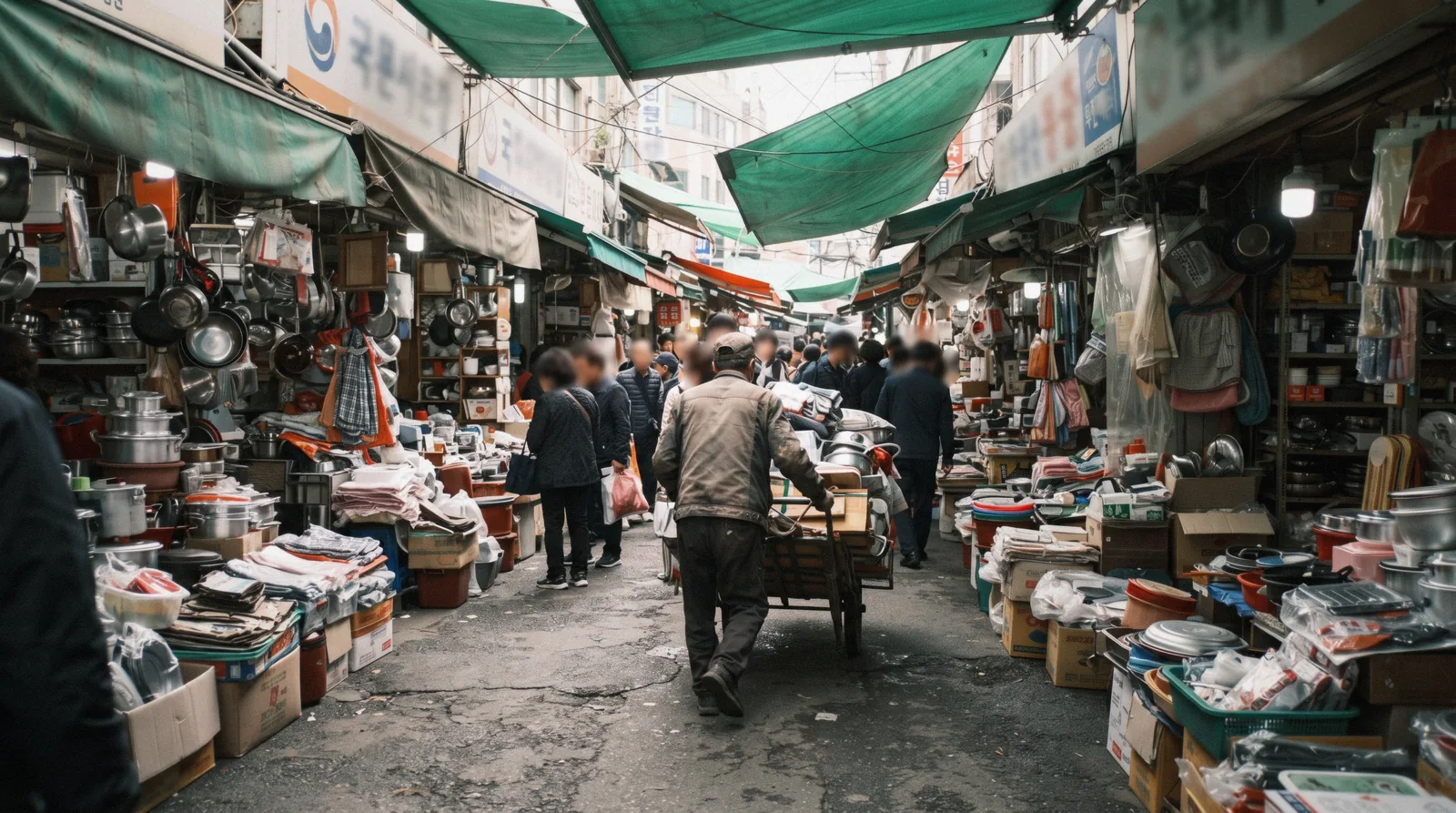
Shopping in Seoul: Where to Buy What
Seoul shopping runs from wholesale floors that open at midnight to flagship stores that treat retail as architecture, and the prices differ by a third across three metro stops. This page sorts the districts by what they actually sell, with the tax-refund rules. The rest of the trip is on things to do in Seoul.
Quick answer Markets for price, Seongsu for design, and never the main lane
Seoul's shopping divides by function rather than by luxury. Namdaemun and Dongdaemun are wholesale markets where the city itself buys. Myeongdong is the tourist-facing cosmetics and fashion strip. Seongsu and Garosu-gil are where Korean brands put their flagships. And the underground malls attached to metro stations are the cheapest clothes in the city.
Key takeaways
- Cosmetics cost the same or less at Olive Young branches citywide as on the Myeongdong main lane, without the pavement sales pitch.
- Namdaemun is organised by trade — glasses, kitchenware, children's clothes, ginseng — so know which alley you want.
- Tax refund is worth claiming above the threshold; keep receipts and allow time at the airport desk.
Where to Buy What
The districts and markets worth a visitor's time, with what each sells and when it trades, checked in Q3 2026.
| Where | What | Prices | When |
|---|---|---|---|
| Namdaemun Market | Glasses, kitchenware, ginseng, children's clothes | Wholesale-adjacent | Daytime; closed Sundays |
| Dongdaemun | Fabric and fashion, floor after floor | Wholesale at night | Many malls 20:00–05:00 |
| Myeongdong | Cosmetics, fashion, tourist-facing | Above the city average | 10:30–22:00 |
| Seongsu | Korean designer flagships and pop-ups | Retail | 11:00–20:00 |
| Garosu-gil and Apgujeong | Boutiques and international brands | High | Daytime |
| Gwangjang Market | Fabric, hanbok, second-hand clothing | Low | Shops close Sundays |
| Underground station malls | Everyday clothes and accessories | The cheapest in the city | Store hours |
The pattern that matters: prices on the main tourist lanes run roughly a third above the same goods two streets away or in a neighbourhood market. Nothing about that is a scam; it is rent.
What Is Actually Worth Buying
Cosmetics and skincare. The category Korea is known for, and genuinely cheaper than abroad. Buy at Olive Young rather than in the Myeongdong hard-sell shops; the branches in Hongdae or Seongsu are calmer and priced the same.
Glasses. Namdaemun's eyewear alley does frames and same-day lenses at a fraction of Western prices, and the quality is ordinary retail quality rather than market quality.
Stationery and design goods. A real Korean strength, concentrated in Hongdae and the department-store basements.
Ceramics. Insadong studios and Ssamziegil, where makers sell their own work from about ₩20,000.
Ginseng and dried goods. Namdaemun's dedicated alley, where Koreans buy them.
Second-hand clothing. Gwangjang Market's upper floor and Hongdae's vintage stores, both of which have become weekend destinations for young Koreans.
What is not worth buying: mass-produced 'traditional' souvenirs on the Insadong main street, and anything electronic, which is not cheaper here than at home.
How the Tax Refund Works
Foreign visitors can reclaim value-added tax on purchases above a minimum spend at shops displaying a tax-free logo, which covers most department stores, the larger cosmetics chains and many tourist-facing retailers.
Two mechanisms exist. Immediate refund at the till, applied at the point of sale up to a per-purchase and per-trip limit, which is the simplest and increasingly common. Or the traditional route: keep the receipt, present it with your passport and the unused goods at an airport refund desk or kiosk before check-in.
Three practical points. Bring your passport when shopping, because the paperwork requires it at the till. Allow extra time at Incheon if you are claiming the traditional way, particularly at the automated kiosks. And the refund is on goods, not on meals, transport or admissions.
Markets and small independent shops generally do not participate, which is another reason the price difference between a market and a department store is smaller than it appears.
Where to Start
Three very different shopping afternoons.
Namdaemun Market
Alley by alley, and what each sells: Namdaemun Market.
- Closed Sundays
- Wholesale 23:00–04:00
- Glasses and ginseng
Seongsu-dong
Flagship stores in converted factories: Seongsu.
- 11:00–20:00
- Pop-ups change monthly
- Weekday mornings quiet
Myeongdong
The tourist-facing strip, honestly assessed: Myeongdong.
- Cosmetics and fashion
- Above average prices
- Carts from 16:00
Shopping Questions
Where is the best shopping in Seoul?
Depends what for: Namdaemun for glasses, kitchenware and ginseng; Dongdaemun for fashion wholesale at night; Seongsu for Korean designer flagships; Myeongdong for cosmetics, at a premium.
Is Myeongdong cheaper for cosmetics?
No. Olive Young branches across the city sell the same brands for the same or less without the pavement sales pitch. Myeongdong is a good place to test products rather than to stock up.
How does the tax refund work in Korea?
Above a minimum spend at participating shops, either as an immediate refund at the till or by presenting receipts, passport and unused goods at an airport desk before check-in. Bring your passport when shopping.
When is Dongdaemun open?
Many of its wholesale malls trade from about 20:00 to 05:00, serving retailers from across the country. Retail-facing floors keep more ordinary hours.
What should I buy in Seoul?
Can you haggle in Seoul markets?
On clothing and accessories in the traditional markets, yes, and it is expected. On food, no. In department stores and chains, never.
Shopping on Video
The markets and malls filmed — where each kind of buying happens.
🇰🇷Seoul Shopping: INSIDER'S GUIDE! Budget-Friendly Shopping, Street Shopping & Luxury Brand Shopping
Video: Modern PepperWhere Cool Girls Shop in Seoul (Korea Shopping Guide)
Video: Asia JacksonSeoul Shopping Guide: Must-visit Stores During Korea Trip
Video: Korea GetawayVideos are other people's work, embedded for context; nothing here is sponsored.
Prices, hours and terms are set by the venue or operator and confirmed at checkout.
We may earn a commission if you book through one of our links, at no extra cost to you. Full affiliate disclosure