 Seoul City Guide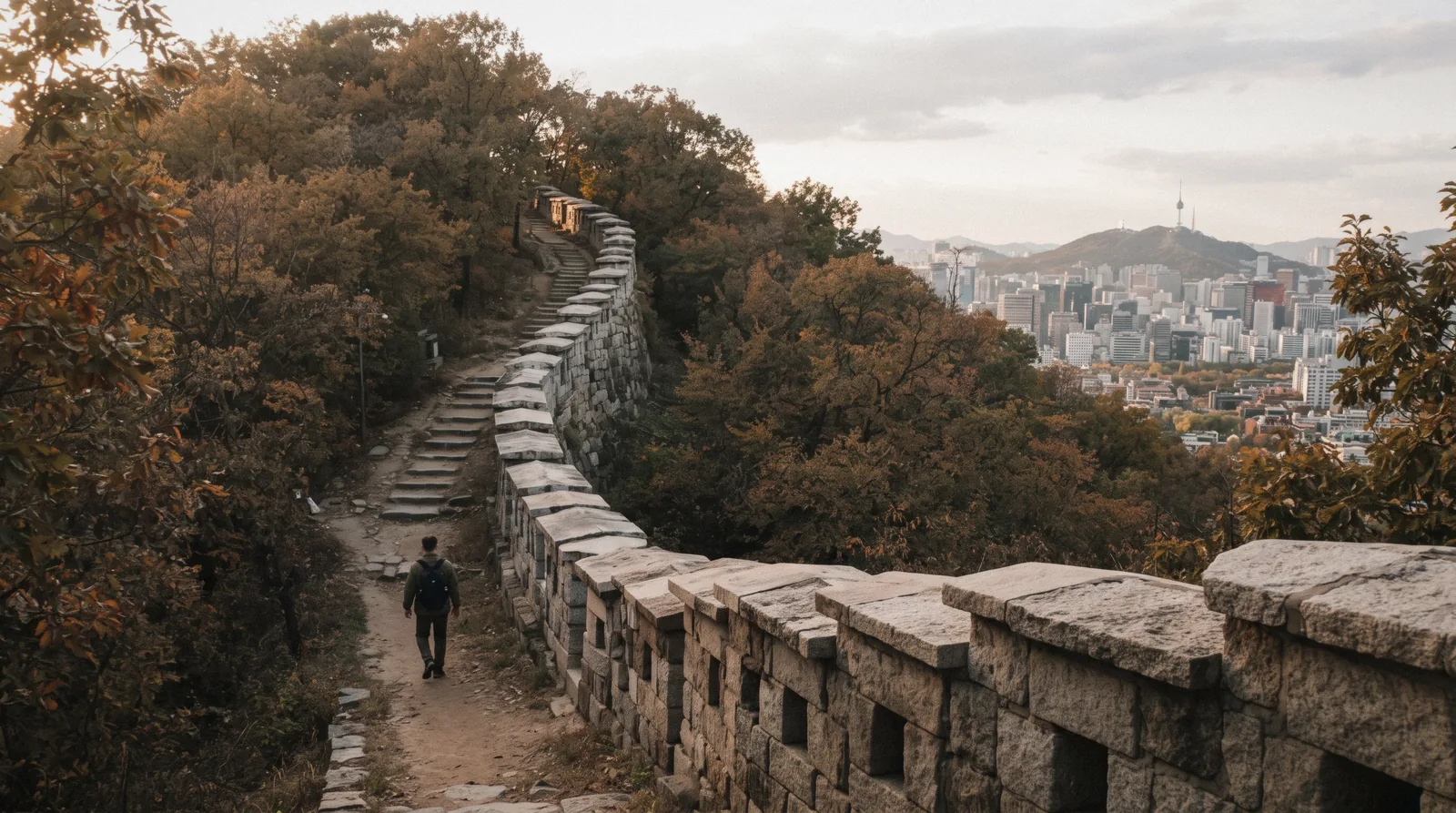
The Seoul City Wall: an 18-Kilometre Ring Around the Old Capital
The Seoul City Wall — Hanyangdoseong — runs eighteen kilometres over four mountains around the historic centre, and most of it is walkable, free and empty. This page carries the sections, the times, which stretch to take if you only do one and the identity-check rule on the Bugaksan stretch. For the rest of the city, see what to do in Seoul.
Quick answer Free, empty, and the best views in the city
Hanyangdoseong was built in 1396 to enclose the new Joseon capital, running eighteen kilometres over Bugaksan, Naksan, Namsan and Inwangsan and linking four great gates. Much of it survives or has been rebuilt, and a marked trail follows the whole circuit. It costs nothing, it is almost never crowded, and it gives better views over central Seoul than anything you pay for.
Key takeaways
- One section only? Take Naksan: two hours, easy, lit at night, and the view down over the old city is the one people remember.
- The Bugaksan stretch passes behind the presidential compound and has controlled access points — bring photo identification.
- The full circuit is eight to nine hours and is a genuine day's walking with several steep climbs.
Key facts
Opening hours
| Trails | dawn–dusk |
|---|
Closed None, though sections close in bad weather and the Bugaksan stretch has its own restrictions.
Planning it
- Time needed
- Two to three hours a section; eight to nine hours for the full circuit
- Address
- Ring route around central Seoul — Dongdaemun, Naksan, Bugaksan, Inwangsan, Namsan
Why There Is a Wall
When the Joseon dynasty moved its capital here in the 1390s, the city was laid out inside a ring of four mountains and a wall was built to connect them. It went up in 1396, largely by conscripted labour, in a construction season measured in weeks, and it enclosed the whole of what was then Seoul.
Four great gates and four smaller ones pierced it, of which Sungnyemun in the south and Heunginjimun in the east still stand. The wall was repaired and rebuilt repeatedly over five centuries — you can read the different eras in the stonework, from rough boulders to the neat rectangular blocks of the eighteenth century.
Much of it came down under Japanese rule and in the twentieth-century expansion of the city. What exists now is a mixture of original fabric, careful reconstruction and marked route where nothing survives, and the city has been steadily restoring and connecting it.
The result is a trail that circles the historic centre at ridge height, passing through parks, residential streets and forest, and looking down on the palaces from above.
The Six Sections
The circuit divides into named sections, each walkable on its own in an afternoon. Times are at an ordinary pace with stops, checked in Q3 2026.
| Section | Time | Effort | What you get |
|---|---|---|---|
| Naksan | 2 hours | Easy | Lit at night, views over the old city, Ihwa mural village at the foot |
| Bugaksan | 2.5–3 hours | Hard, many steps | The highest section, behind the presidential compound; ID required at access points |
| Inwangsan | 2–3 hours | Moderate to hard | Granite boulders, shamanist shrines, the best sunset on the circuit |
| Namsan | 2 hours | Moderate | Ends at N Seoul Tower; the busiest stretch |
| Heunginjimun (Dongdaemun) | 1 hour | Flat | Urban, links DDP to Naksan |
| Sungnyemun | 1 hour | Flat | Urban, past Namdaemun Market |
Naksan plus Heunginjimun is the standard three-hour introduction: start at Dongdaemun, climb Naksan, descend to Hyehwa for dinner.
The Bugaksan Rule
The northern section climbs Bugaksan, the mountain directly behind Gyeongbokgung, and it passes close to the presidential compound. For decades it was closed to the public entirely, following an attempted raid on the presidential residence in 1968, and it reopened in stages.
Access is now open along the ridge, but the section retains controls: identification is checked at some access points, photography is restricted in places and signposted, and the route has fixed opening hours that vary by season.
Carry your passport or a copy, follow the signage about where cameras may be used, and treat the posted hours as firm — the guards are not negotiating.
In return you get the highest and most dramatic stretch of the wall, and a view down the whole axis of the old city: the palace directly below, the modern towers behind it, and Namsan closing the frame. It is the best hour on the circuit and the reason people walk the whole thing.
Walking It
The route is marked throughout with signage and painted markers, and the city produces a wall-trail map that is available at the information centres. Naver Map follows the trail accurately.
Steps are the dominant feature. The mountain sections are largely stone staircases beside the wall, which is easier than scrambling but hard on the knees going down. Ordinary trainers are adequate on the urban stretches and marginal on the mountain ones.
There is very little shade on the granite sections and very little water on the ridge, so carry a bottle. Convenience stores sit at most of the road crossings where sections begin and end.
For a full circuit, start early and go clockwise from Dongdaemun. Eight to nine hours walking, with two long climbs and a lot of steps, and there are stamp points along the route for anyone who wants the completion certificate the city issues.
What It Costs to Walk
The whole eighteen-kilometre circuit is free; the only purchase is a guide. Access from the city wall service, partner prices from GetYourGuide.
Do you want a section this afternoon, or the whole eighteen kilometres with somebody navigating?
| Option | Price | What it gets you | Notes | Book |
|---|---|---|---|---|
| Walking any sectionAnyone with two hours and a metro card; every section is free | Free | 1–3 hours a section | ID checked on the Bugaksan stretch | Official site |
| Guided 18 km completion or half routeWalkers committing to the full circuit, or a serious half of it | from $88 | 5–9 hours | Free cancellation 24 h before | Check Availability |
Official ticket-office links are not affiliate links.
Seoul City Wall on the Map
Pinned at the entrance, with the pages for what is nearby.
Where the Wall Touches the City
Three places where a wall section drops back into the ordinary city.
N Seoul Tower
The Namsan section finishes at N Seoul Tower — the walk up is the free half of that visit.
Dongdaemun Design Plaza
Ten minutes from the Heunginjimun section to DDP, best after dark.
10 min walkBukchon Hanok Village
Fifteen minutes below the Bugaksan section to Bukchon, whose lanes are open 10:00–17:00.
15 min walkGuided Wall Walks
Listings that walk the wall with a guide, including the full eighteen-kilometre completion. Ratings and prices are the operators' own figures.
 from $87.77
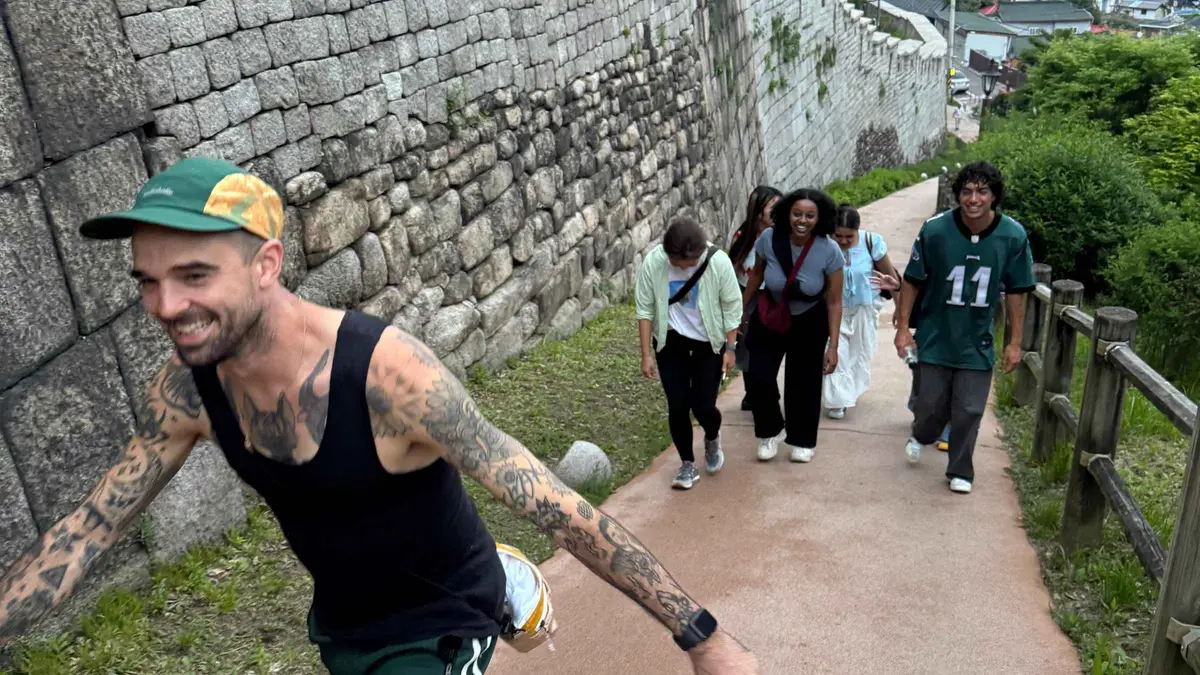
Seoul City Wall Hike: 18km Full Completion or Half Adventure
“Is this really Seoul? ” Walk forest trails and city paths on the Seoul City.
Check Availability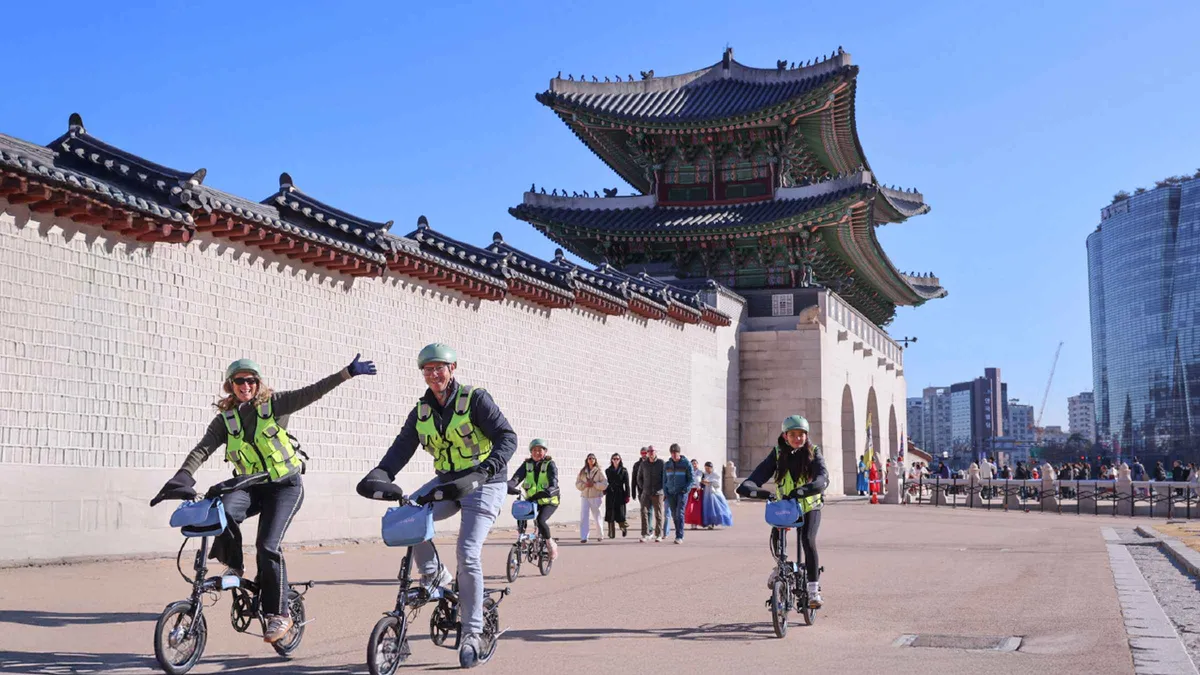 from $126.54
Seoul: City Highlights eBike Tour
Glide through the city of Seoul by e-bike. You will ascend to viewpoints overlooking the city to take in all of Seoul's beauty, culture, and history in one thrilling.
Check Availability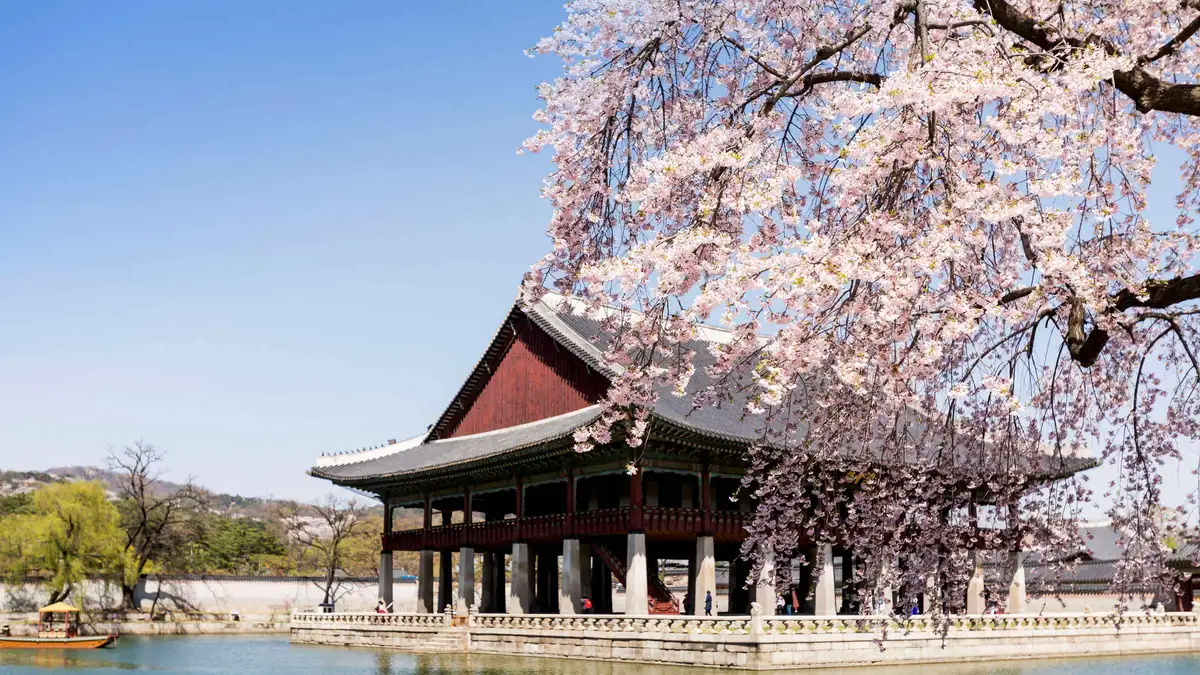 from $59
Seoul: Highlights of Seoul Full-Day Tour
Visit the highlights of Seoul, including Gyeongbokgung Palace, Hanok village, The War Memorial of Korea, and Jogyesa Temple in a.
Check AvailabilityPrices, ratings and details are the platform's own. Dollar figures are the listed prices. The platform bills in your account's currency.
City Wall Questions
How long is the Seoul City Wall?
About eighteen kilometres around the historic centre, over four mountains. Walking the full circuit takes eight to nine hours; individual sections take one to three.
Is the Seoul City Wall free?
Yes, the entire route. The city also runs stamp points along it and issues a completion certificate for anyone who walks the whole circuit.
Which section of the city wall should I walk?
Naksan if you only do one: two hours, easy, lit at night, and the view over the old city is the best-known on the route. Bugaksan is the most dramatic and the hardest.
Do I need my passport for the Bugaksan section?
Bring photo identification. The section passes behind the presidential compound, identification is checked at some access points, and photography is restricted where signposted.
Is the Seoul City Wall hard to walk?
The urban sections are flat and easy. The mountain sections are long stone staircases — not technical, but hard on the knees, and there is little shade or water on the ridge.
Can I walk the wall at night?
The Naksan and Namsan sections are lit and popular in the evening. The Bugaksan and Inwangsan sections have posted daylight hours and should not be attempted after dark.
Is the Seoul City Wall worth visiting?
The Naksan and Bugaksan sections are among the best free things in the city: ridge views over the palaces, two to three hours each, and almost nobody on them.
The Wall on Video
The Naksan and mountain sections at walking pace.
【CC】 🇰🇷 Walk Through Time — Seoul’s Hidden Trail 🏯
Video: 두지숙 | DoJiSook(4K) Walking in Naksan Mountain Trail of Hanyangdoseong , Seoul City (한양도성길, 낙산산길, 성곽길산책)
Video: LUNAPARKSECRETS OF SEOUL CITY WALL - NAKSAN SECTION
Video: Funday Korea NetworksVideos are other people's work, embedded for context; nothing here is sponsored.
Prices, hours and terms are set by the venue or operator and confirmed at checkout.
We may earn a commission if you book through one of our links, at no extra cost to you. Full affiliate disclosure